We Were Never Meant to Be Silent
There is a particular kind of knowing that lives in the body before it ever reaches the tongue. Women have carried it for generations, held in the spine, in the throat, in the spaces between what is felt and what is allowed to be said. For women of color, especially, that knowing has always had to fight for air, resisting erasure, resisting minimization.
Creativity became the passage. Not indulgence, ornament, or luxury, but rather primal necessity. When the world narrows what you are allowed to be, making something, writing, painting, shaping language into form, is a way of widening again. A way of saying: I am here. I contain more than you can hold. It is the body insisting, the voice rising, the spirit refusing disappearance. It is the heart reclaiming its own story, and the mind giving form to memory, trauma, and desire.
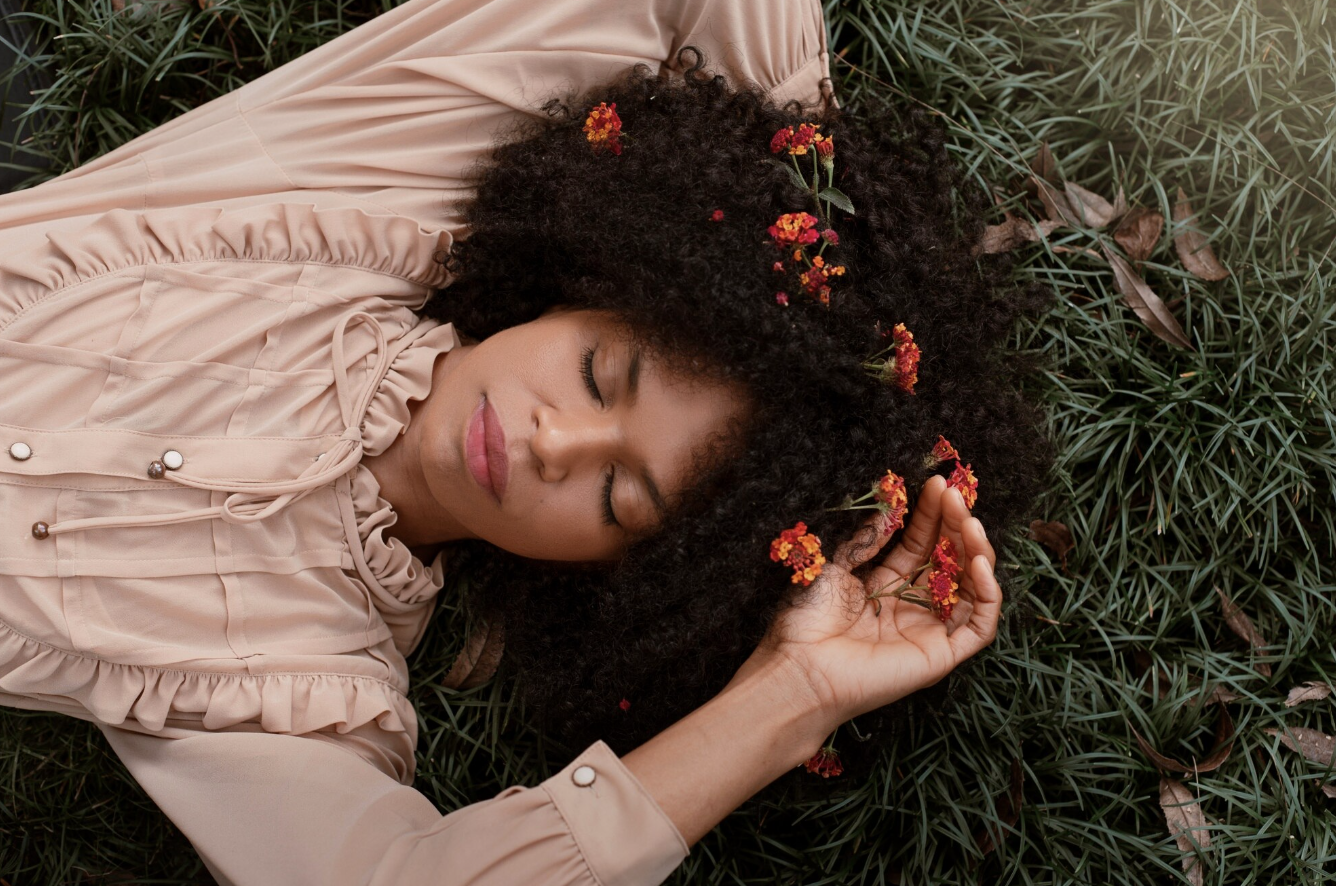
This is how we heal.
To create is to name the unspoken, to release what has been buried without abandoning it. It is to turn pain into form, to let it breathe, to witness it, to bear it into the world where it can transform. Expression becomes regulation: the nervous system slowly remembering that it can move, settle, integrate. The act of shaping experience into something tangible, such as a poem, story, or painting, is a form of embodied care. It reminds us that the body remembers, and that the body can also release.
There is patience in this work. There is rigor, there is care. We are not meant to hurry through what lives inside us. We must remain with shadows, silences, contradictions. We must sit long enough for the shape of our own experience to become visible, understandable, integrated. This is the work of resilience: to hold tension without fracturing, to witness self without judgment, to process grief and desire until they can take root as nourishment rather than poison.
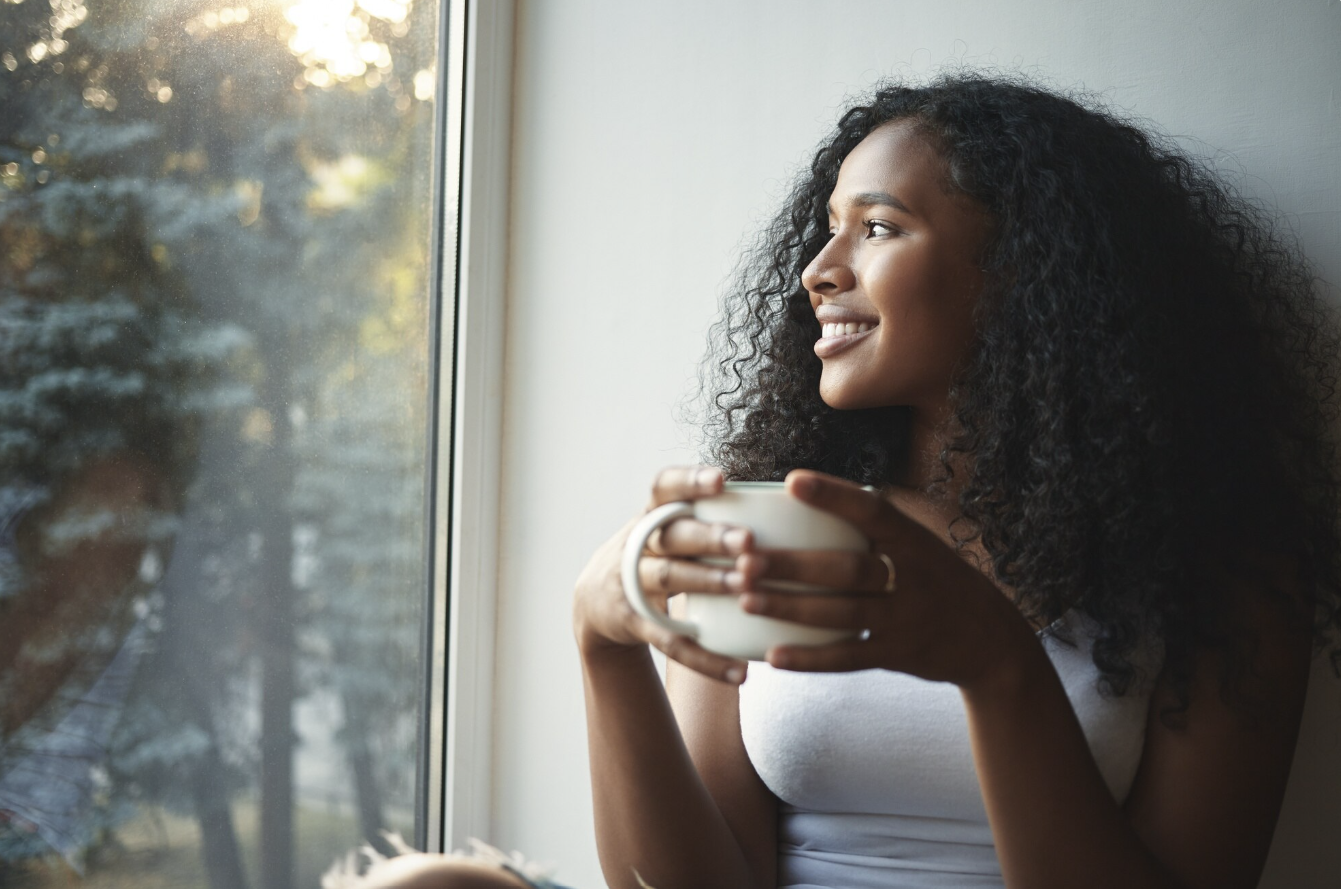
Rest becomes part of this language.
Rest is not absence. Rest is intention. In a world that extracts, consumes, and demands constant output, pausing is radical. To pause is to reclaim the body as your own. To recognize that you are not a machine, not a vessel for production, but a living archive of experience, memory, and wisdom. Worth is not measured by what we give away, but by how deeply we remain present to ourselves, to our bodies, to the world we carry inside us.
Creation is intellectual, rigorous, and sacred. It is the labor of observing, feeling, and translating lived experience into form that can be shared, held, reflected. To create is to study the self and the world simultaneously, to hold both without collapsing either. And from this labor comes transformation—not in grand gestures, not always visibly, but in the force that reshapes, opens, and integrates.
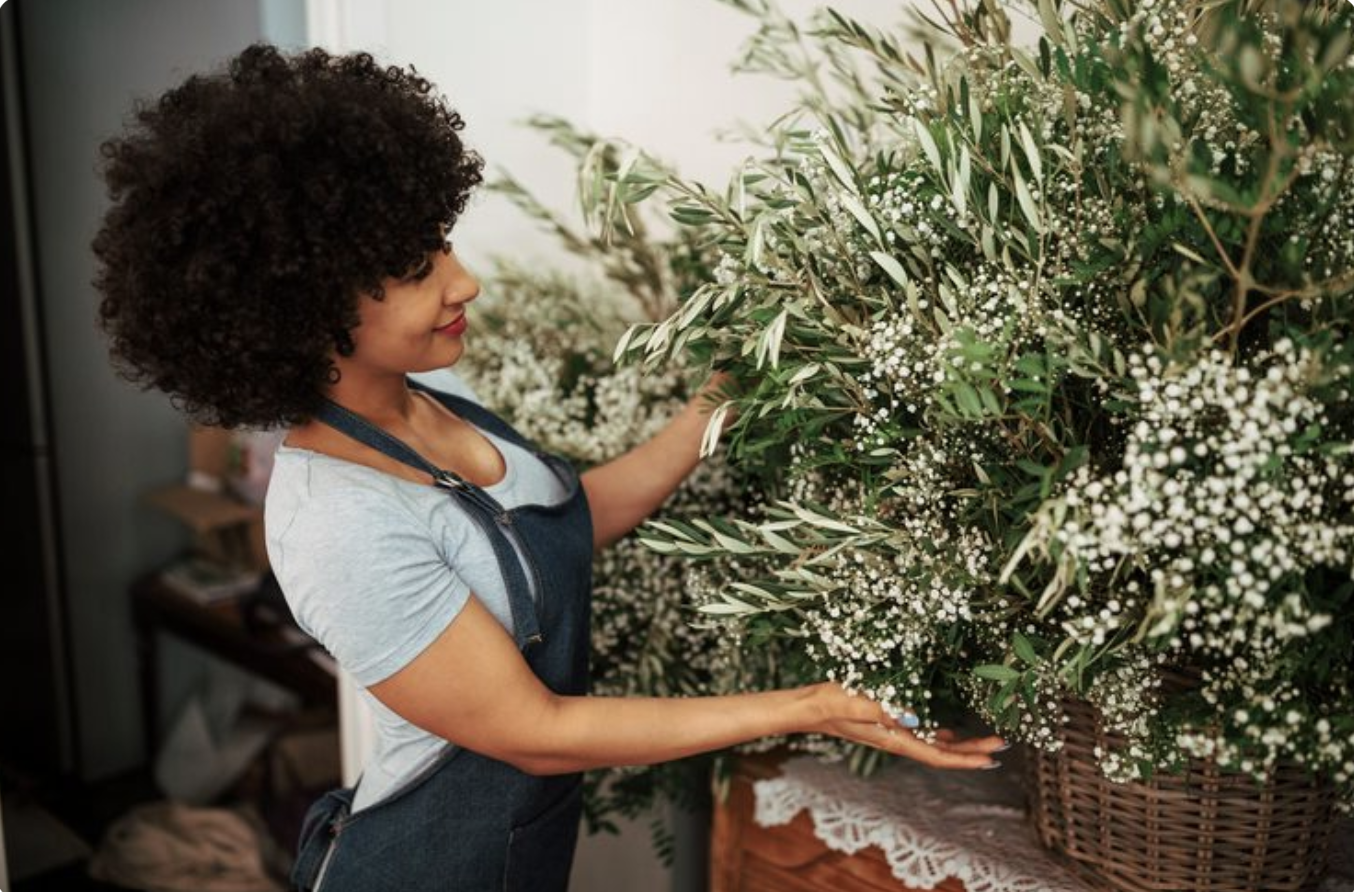
Everything we touch carries potential.
Our bodies are conduits. What moves through us moves outward. What we tend with care begins to take form beyond us. A word becomes a bridge. A story becomes a mirror. A painting becomes a place where someone else can rest. Each act of creation participates in collective repair, carrying forward lessons of intergenerational survival and resilience.
There is warmth here. Layered, deep, and generous, a pull toward one another, toward community, toward building something that does not abandon. Healing is social as well as personal; it happens in the space between bodies, in listening, witnessing, and honoring what emerges. We are not separate from what we create.
We are the first harvest. Not the finished thing or the polished outcome. But the origin. The living, breathing beginning of something that will continue to grow beyond us.
And so we create.
Not to perform.
But to remain.
To remember.
To heal.
To become.