What Does It Mean to Be Black in America?
I remember when I first learned my people didn’t consider me Haitian. I witnessed a conversation between a first generation Haitian and an older adult who was a native and had immigrated to the US. My acquaintance insisted that she was just as Haitian as he was and he replied, “No, if anything you’re a Haitian imitation.” I was gutted.
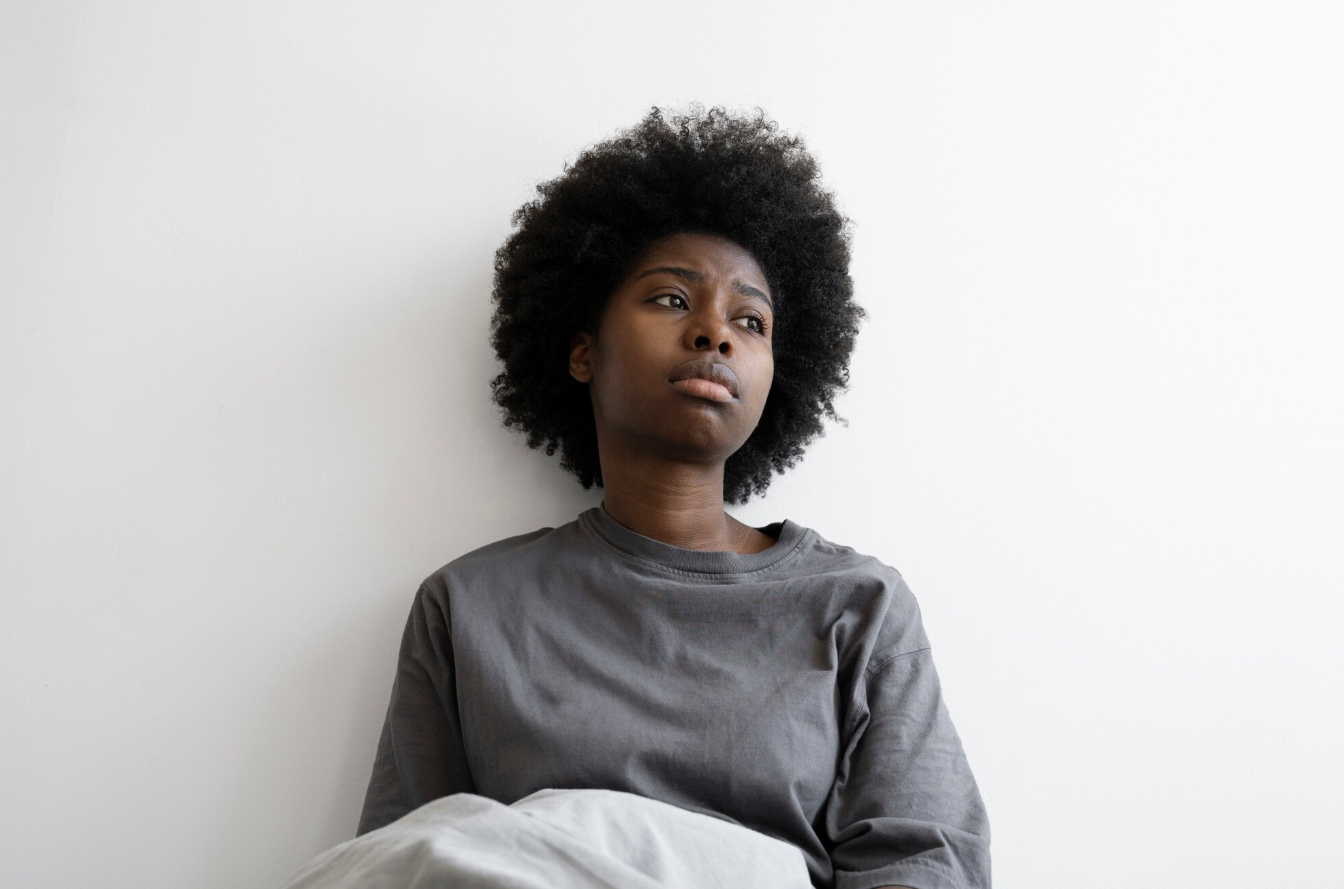
I couldn’t believe my whole identity was reduced to nothing in a single moment. If I wasn’t Haitian then who was I?
I couldn’t believe my whole identity was reduced to nothing in a single moment. If I wasn’t Haitian then who was I?
Growing up as a first-generation Haitian American has shaped my perspective on identity in ways I am still unpacking. Dyaspora. Moun Blan. Words I heard constantly.
There was always laughter and teasing about my American accent—as if I chose where I was born. As if I asked to be born here, or to grow up between worlds. But I am here now. So what do I do with that? What do the millions of people who hold multiple identities do?
For so long, I listened to other voices tell me who I was. To older generations, I wasn’t Haitian enough. To my American contemporaries, I wasn’t American enough. To some Black Americans, I was an “Oreo.” So where exactly did I fit?
That question led me to something bigger: who gets to decide who is Black? Who is African American? Who is Afro-Caribbean?
Maybe we should start by examining the words themselves. Let’s begin with race, nationality, and ethnicity.
Race is often treated as the most straightforward category. Yet we know it was fabricated to justify the horrors of the transatlantic slave trade and the continued oppression of Black and Brown people. Race focuses largely on physical characteristics—skin color, eye color, hair texture. It is broad: Black, White, and so on.
Ethnicity, however, is more specific. The Oxford Dictionary defines it as “a population group or subgroup made up of people who share a common descent or cultural background.” In simpler terms, it refers to shared culture, language, religion, and ancestry. Many people are racially Black, but ethnically that can mean very different things—Black American, Black Dominican, Black Asian, Afro-Caribbean. The lived experiences within those identities are not interchangeable.
Nationality is tied to legal status—where you were born, where you hold citizenship, or where you are naturalized. My parents take pride in being Haitian, born and raised. But legally, once they became citizens here, they also became American. Both things can exist at once.
And that is where things become complicated. We often get lost in the nuances of identity, and people even conflate all three. Race, ethnicity, and nationality are not interchangeable, yet they are constantly blurred together in everyday conversations. That does not mean those differences are not important—they are. Culture matters. History matters. But sometimes our divided focus distracts us from a larger goal: liberation for all of us.
That liberation is difficult to achieve when we are caught up in diaspora wars—arguments about who is really what. Maybe I am not what some people consider “Black American.” But I know I am Black. I am American. I am Haitian, along with the other identities that I carry.
When we consider racism and systemic discrimination, the system rarely pauses for nuance. It does not stop to parse ethnicity or nationality. Immigration agents do not stop to ask who is naturalized and who is not before suspicion is cast. Racism does not carefully categorize before it harms.
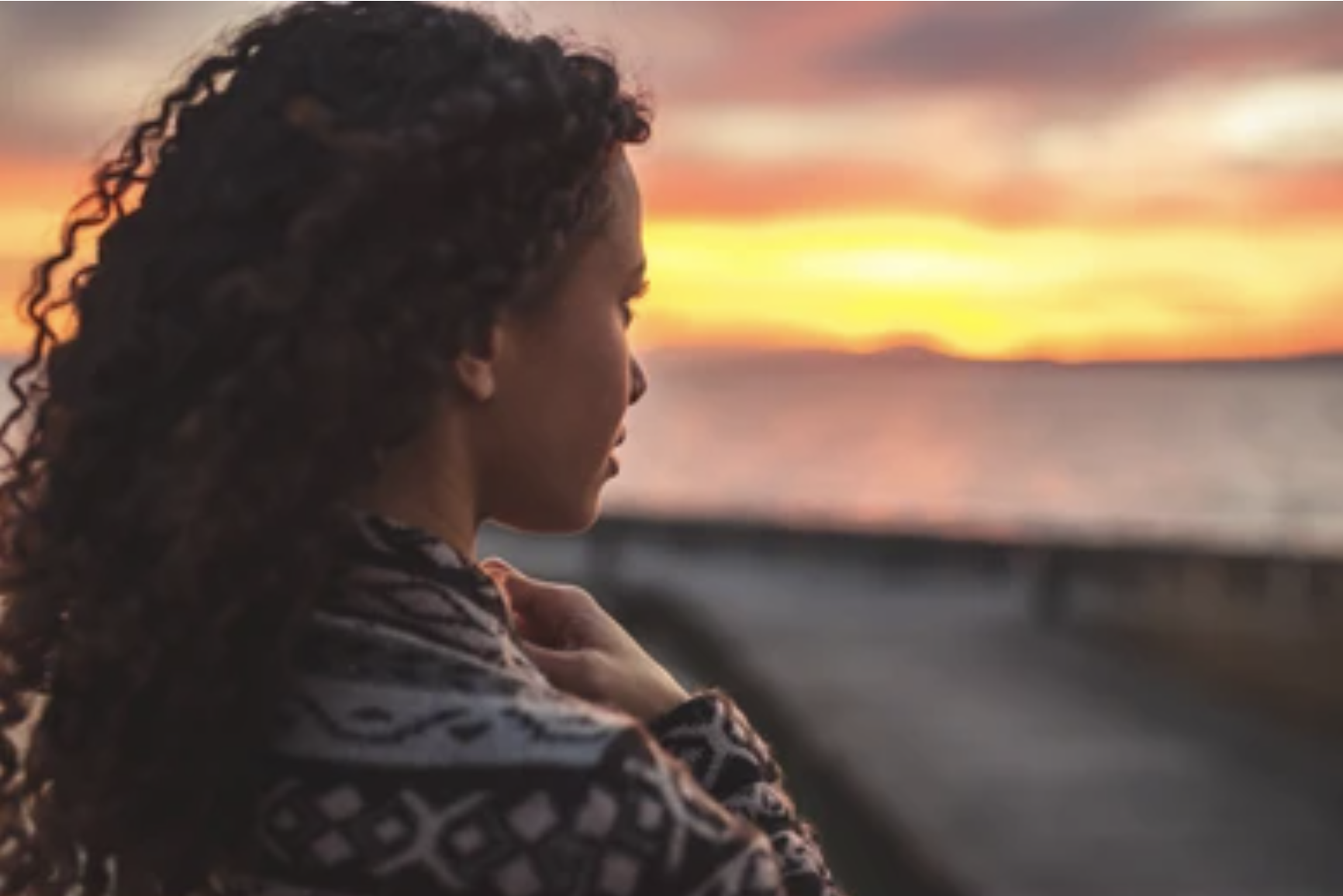
So where do I fit? Maybe the better question is: why must I fit into only one place at all?
If I were to accurately describe myself, I would say that I hold multiple identities: I was born and raised in the U.S., I love Haitian Konpa, and I frequently engage in Black American culture. And yes, hundreds of years ago, my African ancestors were on boats that arrived in Haiti. I am not just one thing, and I choose to reject any system or any person that tries to put me in a box.
Taking into account the complexity of identity, I want to say that Black History Month is for all of us—all Black people living in America, regardless of ethnicity or the culture(s) we identify with.
So what does it mean to be Black in America?
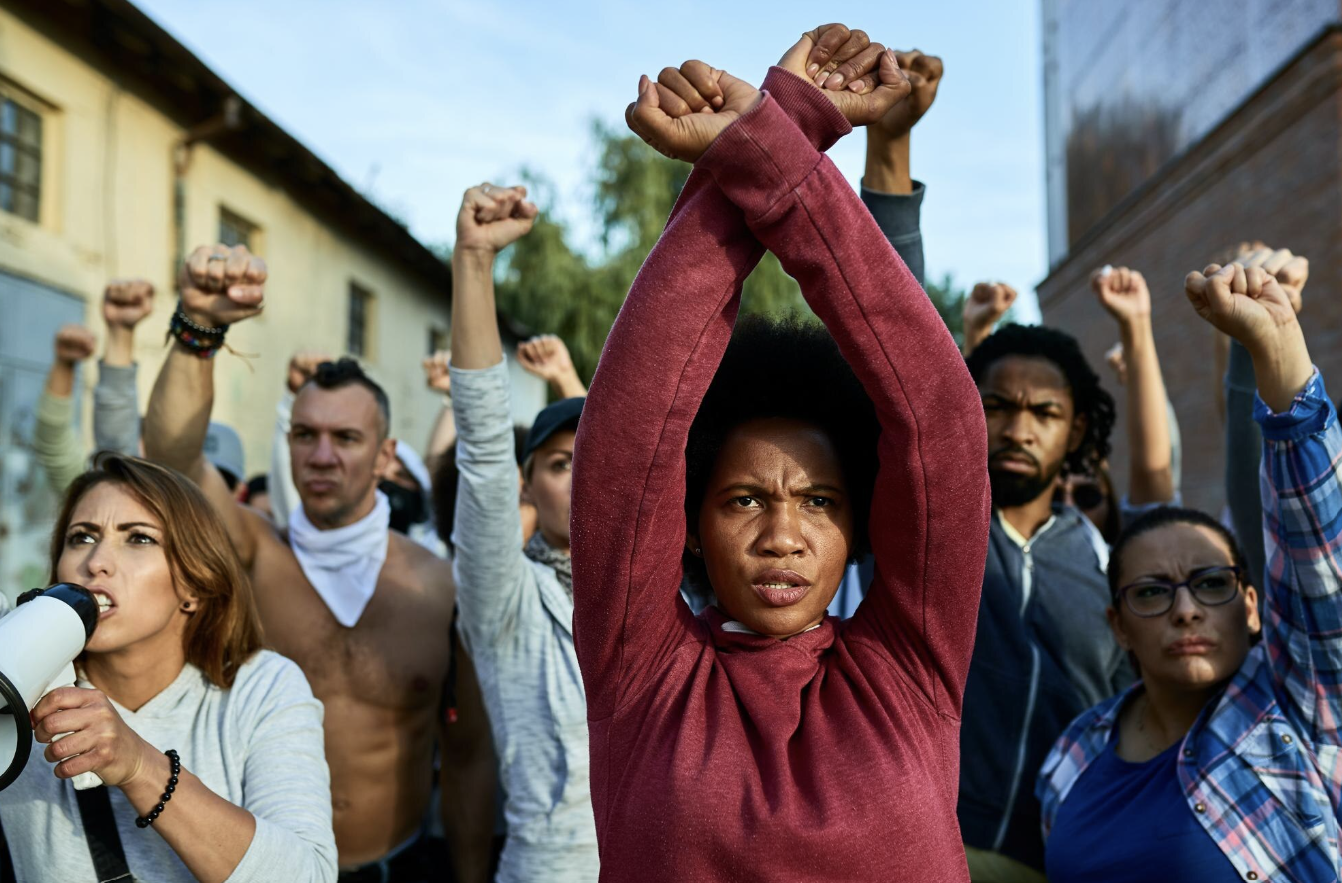
It means being aware of our collective history as Black people in this country and acknowledging our shared trauma. It means understanding how nuance layers and expands our experiences. The systems that were put in place hundreds of years ago still affect Black people today, regardless of where your parents were born or whether you can trace your ancestors back to the motherland.
It means looking out for one another. It means embracing intersectionality and nuance. It means being aware of who we are, collectively and individually.
And that, in itself, is resistance.